Those with professions such as office workers, lawyers, doctors, accountants, and management, may also find themselves struggling to control their drinking habits. For example, nearly one in five lawyers struggle with heavy alcohol use. Additionally, nearly 15 percent of healthcare professionals struggle with alcohol abuse. Shifting after-work drinks culture to a more inclusive networking culture facilitates openness and safety, aspects that are fundamental to helping marginalized groups thrive.
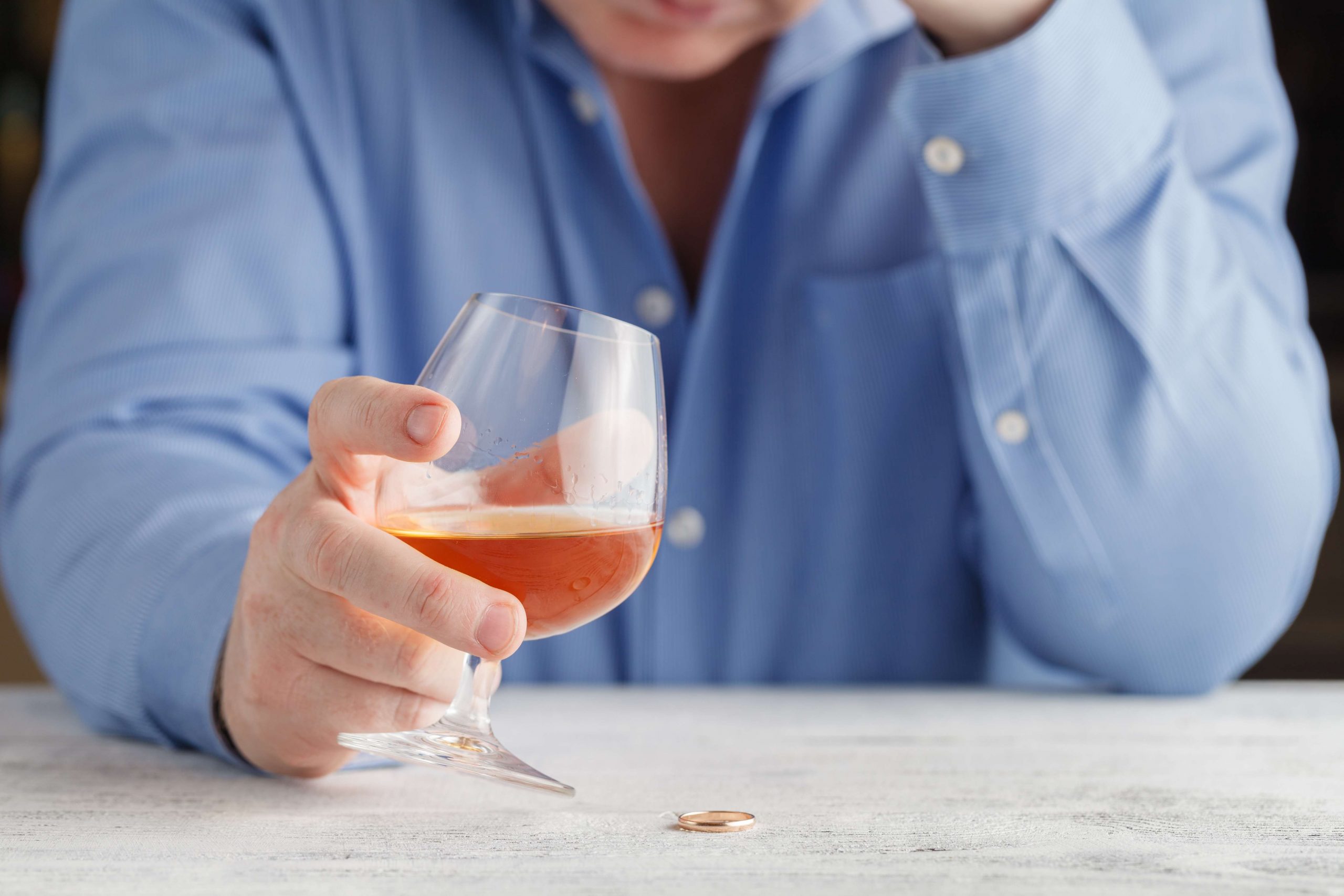
Happy hour has also become a substitute for networking and brainstorming, with a third of the American workers surveyed saying that getting drinks after work promotes team bonding. To change the after-work drinks norm and the toxic “bro culture” that often underlies it, organizations should offer a variety of non-alcoholic activities that cater to a multitude of interests. Those in the professional class also struggle with substance abuse, possibly fueled by after work drinking.
Why after-work drinks aren’t so fun for everyone
“This was the only socializing opportunity to network, [and it] was happening late in the evening at a brewery I’d never heard of before,” says Ms. Abu Hayyaneh. Hesitant to travel far in the city for the event but not wanting to miss an opportunity for professional engagement, she reluctantly attended. The act of gathering at a bar or restaurant to consume alcohol is often seen as a way for employees and their bosses to bond, chat and get to know one another outside the pressures of the job.
Despite being in a work-related setting there is the risk of overconsumption. This can have serious repercussions for both the individual and their company. There are also people who can’t meet right after work because they are primary caregivers and they often miss out on opportunities as such. If we are going to talk about inclusivity then we should act on it all around. It’s not HRs responsibility to control what employees do after hours.
Mastering Multiculturalism in Canadian Healthcare: Navigating Cultural Diversity using Cultural and Inclusive Intelligence
This article quotes several people who are stating their experience. One of the keys to a successful networking culture is diversity in the actual events. Location, activity, time of day, duration, crowd level and lighting https://ecosoberhouse.com/ are just some of the things that can impact an individual’s ability to engage and enjoy a networking opportunity. If the same obstacles present repeatedly, people are either left uncomfortable or left out.
- To many, alcohol is an easy way to relax after a stressful day.
- Drinking after work is often seen as a sort of professional ritual.
- Alcohol is the most widely misused substance, and frequent drinking can lead to dependence or addiction.
- Throughout the pandemic, Ms. Mortimer saw an influx of opportunities with organizations interested in accessible events that included tools such as ASL interpreters and chat log transcripts.
- Despite the relaxing effects you think alcohol may have, it is a depressant.
Ironically this was posted as I was writing on a similar topic, so it was really helpful insight. I’m amazed still at how many workplace cultures overtly try to pressure employees into drinking (a thing you’d think ended 30 years ago, but nope!). I don’t necessarily object to the happy hour on its face, but changing it up and including plenty of other options helps make your business that much more engaging. I appreciate the importance of inclusion and that one size doesn’t fit all.
The problem with after-work drinking
Keep an open mind and these events will be the better for it. I agree that the shift away from drinking as the primary team-building activity is a good one. Drinking drinking after work with colleagues is not desirable or positive for everyone and alcohol famously creates situations where people don’t act in a professionally appropriate way.
This is also a good lesson in creating boundaries between our work and our personal lives. Some leaders (often those who make work the primary focus in their lives) want their teams to feel like a family or close friends. When we model a workplace after a family, personal and professional lines begin to blur.
Why after-work drinks aren’t so fun for everyone – The Globe and Mail
To begin recovery, the first step is detoxification, to rid your body of any drugs and alcohol. We provide safe and highly effective medically supervised detox for all substances of abuse. By limiting the amount you drink, especially after work, you can reduce the risk of these short- and long-term effects on your body. Drinking after work has also become a common culture for work-related activities. Many companies have found that it is a way to celebrate recent accomplishments from the company or it can bring people together to network and brainstorm.